Conditions for facial laser treatment: Your guide to achieving perfect and safe skin
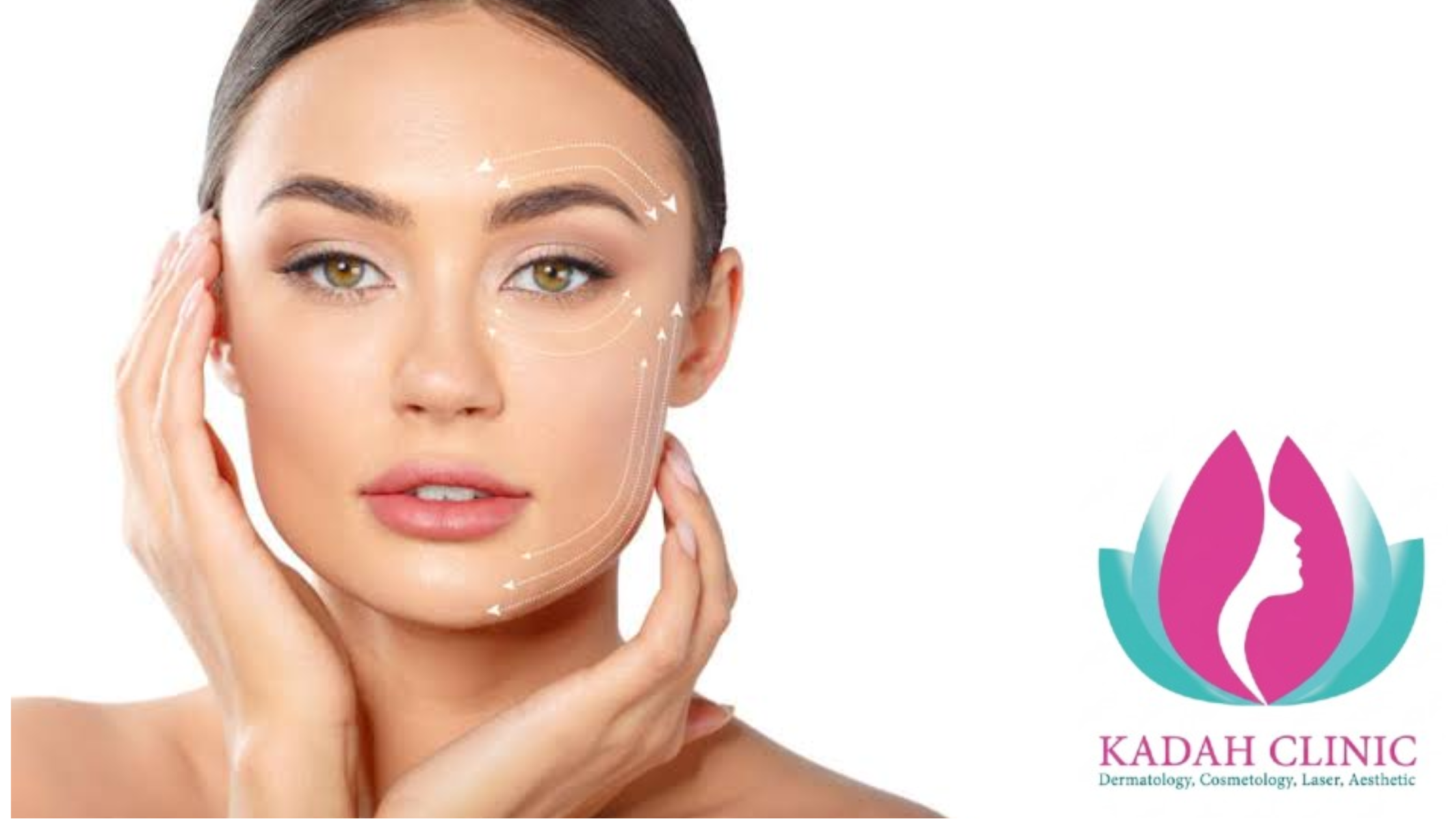
Laser facial treatments have become a popular technique for skin rejuvenation, improving texture, and reducing acne scars and pigmentation. However, to ensure a successful laser session and achieve optimal results, several conditions and guidelines must be followed before, during, and after the treatment. In this article, we will explore the requirements for laser facial treatments and offer essential tips to guarantee a safe and effective treatment experience.
Article Contents
Ensuring That the Skin Is Ready for a Laser Session
Before starting laser sessions, it is important to ensure that the skin is free from any conditions that may affect the treatment, such as:
- Active Acne: Active acne should be treated before laser sessions, as exposure to heat may irritate the skin or worsen the condition.
- Skin Inflammation: Avoid laser treatment if there is any inflammation or irritation to prevent the condition from worsening.
- Avoiding Recent Strong Peels: It is preferable to avoid strong chemical peels or crystal peels for at least two weeks before a laser session to ensure skin safety.
Choosing the Right Laser Type for Your Skin Type
There are several types of laser devices, and each one has specific benefits suited to different skin types:
- Sensitive Skin: Requires less aggressive laser devices, such as Erbium (Er) laser, which is suitable for delicate skin.
- Dark Skin: It is preferable to use laser devices with a specific wavelength, such as Nd:YAG laser, which reduces the risk of pigmentation and burns.
- Fair Skin: CO2 or fractional laser can be used due to their high effectiveness in treating various skin concerns without leaving unwanted marks.
Stop Using Certain Products Before the Session
One of the requirements before undergoing facial laser treatment is to stop using certain products before the laser session to avoid skin irritation or excessive peeling. It is preferable to stop using:
- Retinoids: It is recommended to avoid creams containing retinoids or vitamin A derivatives for at least one week before the session.
- Strong Skin Exfoliants: Such as Alpha Hydroxy Acids (AHA) and Benzoyl Peroxide, as they may increase skin sensitivity.
- Skin-Lightening Products: If you are using bleaching or skin-lightening creams, it is preferable to stop using them one week before the session.
Avoid Direct Sun Exposure
Avoiding direct exposure to sunlight for approximately two weeks before a laser session is one of the most important conditions for successful treatment. It is also recommended to use a high-SPF sunscreen (SPF 50+), as the skin becomes more sensitive after the session and may develop pigmentation more easily when exposed to sunlight.
Use Certain Medications with Caution
If you are taking certain medications, it is preferable to consult your doctor before undergoing a laser session, as some medications may increase skin sensitivity or cause irritation. It is also preferable to avoid strong painkillers and topical antibiotics that may affect the skin’s response to laser treatment.
Moisturize the Skin Before and After the Session
- Before the Session: Healthy, well-hydrated skin responds better to laser treatment. It is preferable to moisturize the skin daily before the session using a suitable moisturizer while avoiding products that may clog the pores.
- After the Session: It is recommended to use a soothing moisturizer containing natural ingredients such as aloe vera to calm the skin and reduce irritation.
Avoid Inappropriate Hair Removal Methods Before the Session
Removing hair with wax or sugaring immediately before a laser session may cause skin irritation. Therefore, it is preferable to use a razor or avoid hair removal altogether in the treatment area for 24 to 48 hours before the laser session.
Post-Laser Skin Care Tips
After completing a laser session, certain instructions should be followed to maintain the results and avoid complications:
- Avoid Sun Exposure: It is preferable to avoid sunlight for at least two weeks after the session and use sunscreen to protect the skin.
- Avoid Strenuous Exercise: Exercise may cause sweating, which can increase skin irritation after treatment.
- Do Not Use Cosmetics Immediately: Wait a few days before using cosmetics to avoid clogged pores and skin irritation.
- Avoid Swimming: Avoid swimming in chlorinated or seawater for one week after treatment to protect the skin.
Types of Facial Laser Devices: How Do You Choose the Right Technology for Your Skin?
Not all skin types should be treated in the same way when undergoing facial laser sessions. The success and safety of the procedure depend largely on selecting the appropriate wavelength and laser device based on skin tone, the extent of pigmentation, and the condition being treated:
1. Nd:YAG Laser
It is considered one of the safest and most effective options for dark or brown skin (Fitzpatrick IV-VI). It operates at a wavelength of 1064 nm, which penetrates the deeper layers of the skin without negatively affecting melanin in the surface layers. This reduces the risk of burns and post-inflammatory pigmentation and is particularly effective for treating facial vascular lesions and spider veins.
2. Alexandrite Laser
It operates at a wavelength of 755 nm and is ideal for fair to medium skin tones. It has a high absorption rate for hair pigment and melanin, making it an excellent option for skin tone evening and superficial pigmentation treatment as well as removing fine, light facial hair.
3. Fractional CO2 Laser
A resurfacing and tissue-renewal technology that stimulates collagen production in the deeper layers of the skin. It is primarily used for treating acne scars and pits, as well as reducing expression lines and wrinkles to achieve firmer and more elastic skin texture.
4. Erbium YAG Laser
A gentler and less invasive option compared with CO2 laser. It is preferred for sensitive areas around the eyes and lips to treat mild superficial pigmentation and rejuvenate skin cells, with a significantly shorter recovery period.
Conclusion
Facial laser sessions are considered an effective solution for achieving radiant and blemish-free skin. However, to ensure the best results, it is essential to follow the requirements for facial laser treatment and the instructions mentioned above. Remember that proper skincare begins with appropriate preparation before the session and continues with proper aftercare. Always consult a qualified doctor to ensure that you are ready for laser sessions.
Laser treatment technologies represent an advanced approach to restoring skin vitality, evening skin tone, and reducing pigmentation and acne scars. However, achieving the desired results safely requires strict adherence to medical standards and appropriate preparation for each individual case.
At Prof. Dr. Ahmed Kadah Center for Aesthetic and Laser Treatments, we follow a comprehensive medical protocol to ensure the highest levels of effectiveness and safety:
- Accurate Medical Assessment: Precisely identifying the skin type and selecting the most appropriate wavelength and device, whether laser, Nd:YAG, or Fractional CO2.
- Safe Preparation Plan: Providing comprehensive pre-treatment instructions to prevent skin irritation or complications resulting from the use of certain products or sun exposure.
- Post-Treatment Follow-Up: Providing a customized skincare plan after the session to maintain the longest possible treatment response and sustainable skin-radiance results.
Please contact us to schedule a medical consultation and have your skin assessed by our specialized team.
Other articles
Large Pores Treatment: Medical Solutions and Home Care Routine Steps
Large Pores Treatment: Medical Solutions and Home Care Routine StepsEnlarged pores are among the most bothersome skin concerns for many people. They give the skin an uneven appearance and make it challenging to apply makeup smoothly or maintain a fresh complexion....
Best Ways to Treat Tired Skin and Restore Radiance and Vitality
Best Ways to Treat Tired Skin and Restore Radiance and VitalityIn a fast-paced world, our skin is daily exposed to stressful factors such as pollution, lack of sleep, stress, poor nutrition, and neglecting daily skincare routines. All these factors ultimately lead to...

Luxor Derma 14 | With the Participation of Professor Dr. Ahmed Kadah
Luxor Derma 14 | With the Participation of Professor Dr. Ahmed KadahLuxor Derma Conference continues its distinguished scientific journey, bringing together dermatology and the latest developments in aesthetic medicine in an educational experience that gathers...
What are Skin Booster facial sessions? And what are their benefits?
What are Skin Booster facial sessions? And what are their benefits?Achieving radiant, youthful skin free from signs of fatigue is a goal many strive for. Amidst the ongoing advancements in non-surgical aesthetics, Skin Booster has emerged as a revolutionary solution...